
Get French Drain Installation in Denver, CO
Local contractors in Denver and nearby areas offer French drain installation to solve basement flooding, yard drainage issues, and water pooling around foundations.
Property owners in Denver, CO, often face unique challenges related to water drainage, especially given the area's seasonal weather patterns and varying soil conditions. Installing a well-designed French drain can help manage excess water, prevent flooding, and protect landscaping or structures from water damage. Whether planning for a new construction project or addressing existing drainage issues, exploring local contractors who specialize in French drain installation can provide valuable insights into effective solutions tailored to the region’s specific needs.
As you consider options for improving your property's drainage system, it's helpful to compare local service providers experienced in French drain installation. Finding knowledgeable contractors in Denver and nearby areas ensures that the project aligns with local site conditions and building practices. Keep reading to learn more about how professional installation can enhance your property's resilience and to discover ways to connect with qualified local experts for your drainage needs.
- French Drain Installation - recommended when excess water pools around foundations in neighborhoods like Capitol Hill or Cherry Creek.
- French Drain Installation - needed after heavy rains cause yard flooding or soil erosion in areas such as Highlands Ranch.
- French Drain Installation - suitable when basement or crawl space moisture problems arise in parts of Aurora or Lakewood.
- French Drain Installation - essential for managing runoff and preventing landscape damage in communities like Englewood or Littleton.
- French Drain Installation - appropriate when improving drainage around retaining walls or slopes in nearby suburban areas.
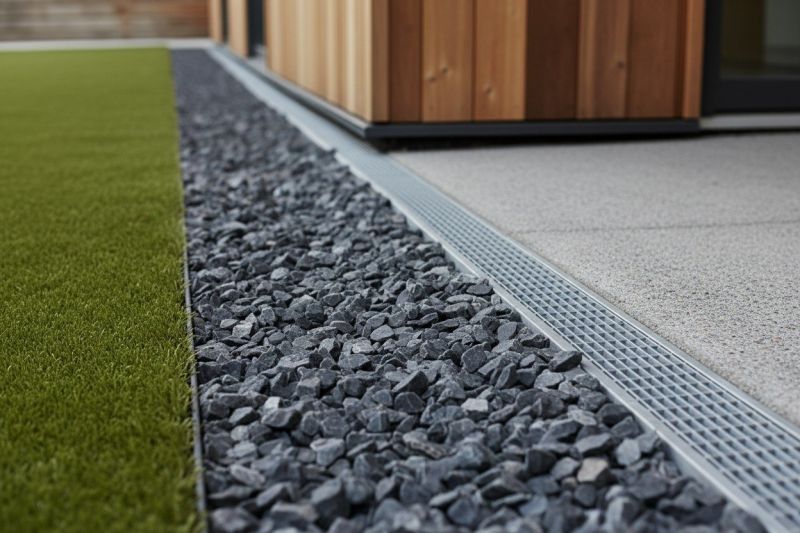
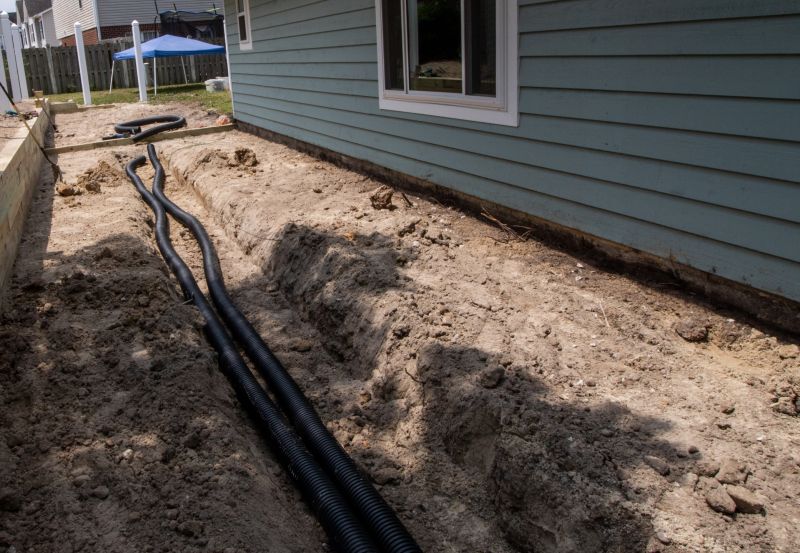
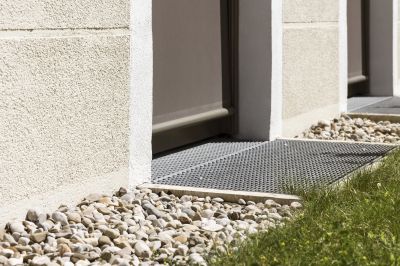
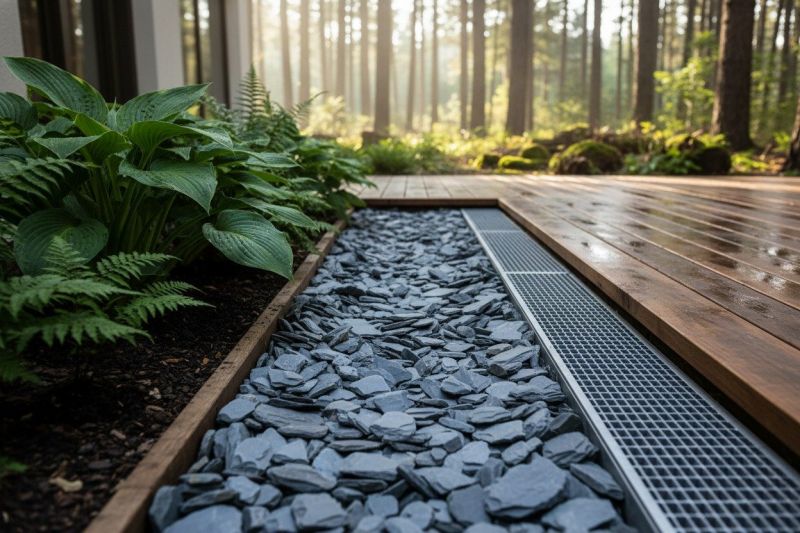
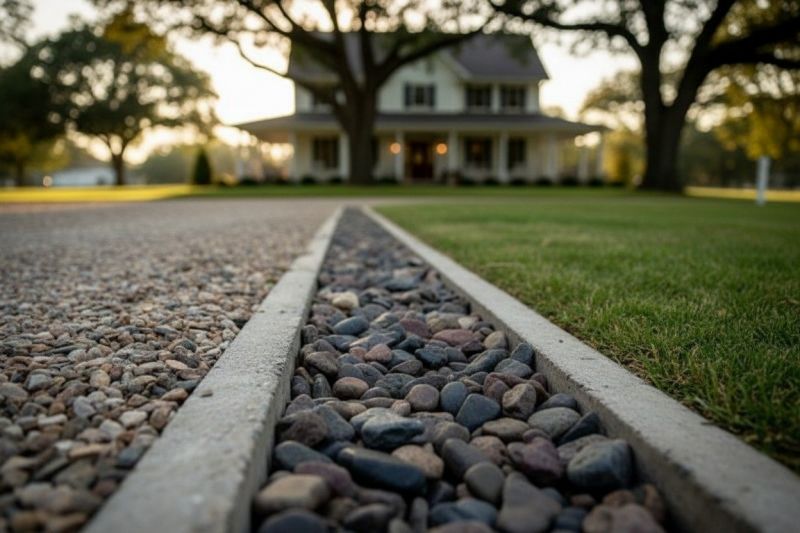
French drain installation involves creating a specialized drainage system designed to redirect excess water away from a property’s foundation, basement, or landscape. Typically, this process includes digging a trench, lining it with a permeable fabric, and filling it with gravel and a perforated pipe. The system effectively channels water through the gravel and pipe, guiding it away from areas prone to water accumulation. Professional contractors assess the property’s landscape and water flow patterns to design a drain that addresses specific drainage challenges, helping to manage water runoff efficiently.
This service is especially helpful in solving problems caused by poor drainage, such as standing water in yards, soggy lawns, or water seeping into basements and crawl spaces. Excess moisture can lead to structural damage, mold growth, and landscape erosion. Installing a French drain can prevent these issues by providing a reliable outlet for water, reducing the risk of flooding and water damage. Homeowners experiencing persistent pooling or water intrusion after heavy rains or snowmelt often find this solution to be an effective way to protect their property.
Properties that typically benefit from French drain installation include residential homes, especially those situated on slopes or in low-lying areas where water tends to collect. It is also common for properties with poorly draining soil or those located near bodies of water to require such systems. Both older homes with basements and new constructions can be good candidates, as a properly installed French drain helps maintain the integrity of the foundation and overall landscape. Commercial properties with large outdoor spaces or parking lots may also use these drainage solutions to prevent water pooling and maintain safety.
By working with experienced local contractors, homeowners can ensure that a French drain is properly designed and installed to meet their specific drainage needs. These professionals evaluate the property’s terrain, water flow, and landscape features to recommend the most effective system. Proper installation can help mitigate common water-related problems, protect the property’s foundation, and improve outdoor usability. Contacting a trusted service provider can make it easier to find a drainage solution tailored to the unique conditions of properties in Denver, CO, and nearby areas.
The overview below groups typical French Drain Installation projects into broad ranges so you can see how smaller, mid-sized, and larger jobs often compare in Denver, CO.
In many markets, a large share of routine jobs stays in the lower and middle ranges, while only a smaller percentage of projects moves into the highest bands when the work is more complex or site conditions are harder than average.
Smaller Repairs - For minor repairs or upgrades to existing drainage systems, local contractors typically charge between $250 and $600. Many routine jobs fall within this range, depending on the scope and accessibility of the work.
Standard Installation - Installing a new French drain system in a typical residential property usually costs between $1,200 and $3,500. Most projects in Denver and nearby areas land in this mid-range, with fewer exceeding this band.
Full Replacement - Replacing an outdated or damaged drainage system can range from $4,000 to $8,000 or more for larger, more complex projects. These tend to be less common but are necessary for extensive drainage issues.
Custom or Complex Projects - Very large or intricate drainage solutions, such as extensive yard work or difficult terrain, can reach $10,000 or higher. These projects are less typical but are handled by experienced local service providers for specialized needs.
Actual totals will depend on details like access to the work area, the scope of the project, and the materials selected, so use these as general starting points rather than exact figures.
Drainage System Installation - Local contractors who install French drains often have experience with comprehensive drainage systems to prevent water pooling around foundations.
Landscape Grading - Proper grading skills are essential for directing surface water away from structures, similar to the planning needed for French drain placement.
Foundation Waterproofing - Waterproofing projects require knowledge of soil and water movement, aligning with the skills used in French drain installation.
Basement Waterproofing - Installing interior or exterior waterproofing systems involves drainage planning and soil assessment, related to French drain work.
Soil Excavation and Trenching - Skilled excavation and trenching are fundamental for installing French drains and other underground drainage solutions.
Erosion Control Projects - Managing water flow to prevent erosion involves techniques and planning similar to those used in French drain installation services.
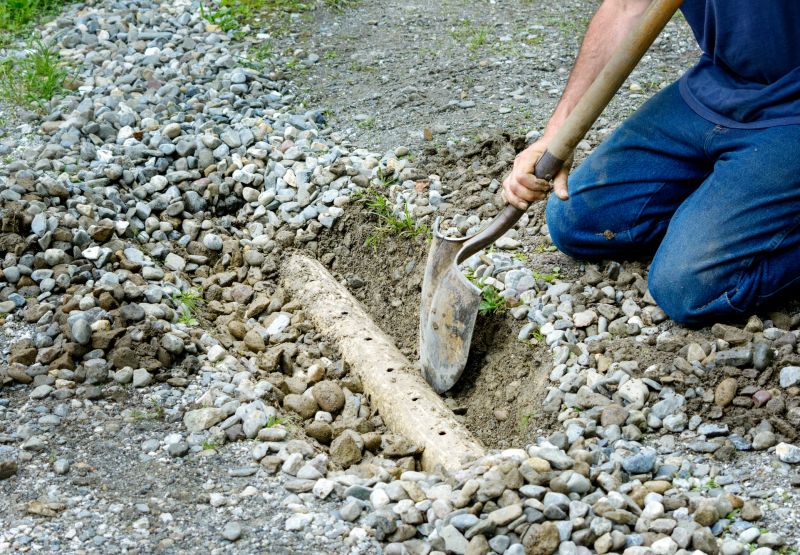
When evaluating contractors for French drain installation, it’s important to consider their experience with similar projects in Denver and surrounding areas. A contractor who has handled multiple drainage systems in comparable soil conditions and property types is more likely to understand the unique challenges involved. Homeowners should inquire about the types of projects a service provider has completed and look for evidence of consistent, successful work in the local community. This familiarity with regional landscape features and common drainage issues can contribute to a smoother installation process and more reliable results.
Clear, written expectations are essential when comparing local contractors for a French drain project. Homeowners should seek detailed descriptions of the scope of work, materials to be used, and the installation process. Having this information in writing helps ensure mutual understanding and provides a reference point throughout the project. Service providers who are transparent about their methods and can articulate what will be done tend to foster a more confident working relationship. It’s also beneficial to ask for reputable references from previous clients to verify the contractor’s track record and quality of work.
Effective communication is a key factor in selecting the right local professional for French drain installation. Homeowners should look for service providers who are responsive and willing to answer questions clearly and thoroughly. Good communication can help clarify project details, address concerns early, and keep the process running smoothly. Establishing a good line of contact with potential contractors allows homeowners to gauge their professionalism and attentiveness. Remember, the goal is to connect with local service providers who can handle the work competently, not to find someone who performs the work directly through the site.
Property owners in Denver, CO use French Drain Installation services for practical projects around their homes and businesses. This guide focuses on everyday jobs and straightforward project options.
French drain installation is often sought after by property owners in Denver who are dealing with persistent basement flooding or excess water pooling around their yards. Heavy snowmelt, seasonal rain, or uneven landscape drainage can lead to water issues that threaten the integrity of a home’s foundation or create muddy, unusable outdoor spaces. Local contractors experienced in drainage solutions can assess these common problems and recommend effective drainage systems to help manage water flow, preventing damage and improving outdoor usability.
Additionally, many property owners look for French drain services when preparing for landscaping projects or improving yard drainage to avoid water-related issues during the rainy season. Whether installing a new drainage system to protect a basement or redirecting surface water away from walkways and patios, local service providers can handle these projects efficiently. They can evaluate existing drainage patterns and implement solutions that help maintain a dry, stable property environment in Denver’s varying weather conditions.
What is a French drain and how does it work? A French drain is a trench filled with gravel or rock that redirects surface water and groundwater away from a property. It typically includes a perforated pipe that helps channel water efficiently, preventing pooling and water damage.
What are common signs that a property needs a French drain installation? Signs include persistent basement or foundation dampness, water pooling around the foundation, or excessive runoff during heavy rains, indicating drainage issues that may benefit from a French drain.
What types of properties are suitable for French drain installation? French drains can be installed on residential, commercial, or landscaped properties where water accumulation or drainage problems are present, especially in areas with poor natural drainage or sloped terrain.
What factors influence the placement of a French drain? Placement depends on the property's landscape, water flow direction, and areas prone to pooling or erosion. A local contractor can assess these factors to determine optimal locations for installation.
How do local contractors typically install French drains? Contractors usually excavate a trench in the desired area, lay perforated piping surrounded by gravel, and cover it with soil or landscaping material to ensure proper drainage away from structures.
Prevent Basement Flooding - Installing a French drain can help direct excess water away from the foundation during heavy rains, reducing the risk of flooding inside the home.
Improve Yard Drainage - Property owners can use French drains to manage standing water in lawns or gardens, making outdoor spaces more usable after storms.
Protect Landscaping - Proper drainage solutions can prevent water from pooling around plants and trees, supporting healthier landscaping efforts.
Reduce Soil Erosion - Installing a French drain can help control water flow on slopes or uneven terrain, minimizing soil loss and damage to the property.
If you are thinking about French Drain Installation for a property in Denver, CO, this guide is meant to help you understand the work, the typical project types, and how different options might fit your plans.
When you are ready, you can use the quote form on this page to share a few details about your project. From there, local pros can review the basics and respond with options that match what you have in mind.